
Denver Urban Wildlife Control (DUWC) employs strategic camera trap placement for effective urban Wildlife Management. They consider species habits, habitat characteristics, and disturbances to capture data on diverse species like raccoons, opossums, and birds. Seasonal adjustments focus deployment during critical periods. GIS mapping creates a dense yet logical camera network covering high-conflict corridors. Regular maintenance ensures consistent performance and valuable insights into Denver's urban wildlife dynamics, enabling adaptive management for ecological resilience and biodiversity preservation.
Wildlife management, particularly within urban settings, presents unique challenges as cities expand into traditionally wild habitats. Denver Urban Wildlife Control faces a growing need for effective strategies to coexist harmoniously with the region's diverse wildlife. Camera trap surveys emerge as a powerful tool in this regard, offering insights into species presence, abundance, and behavior. This article delves into the intricacies of camera trap surveys, providing a comprehensive understanding of their application in Denver Urban Wildlife Control, and highlighting how these scientific methods contribute to informed conservation decisions.
- Planning and Placement for Effective Camera Traps
- Data Collection and Analysis: Unlocking Wildlife Insights
- Denver Urban Wildlife Control: Strategies for Sustainable Coexistence
Planning and Placement for Effective Camera Traps
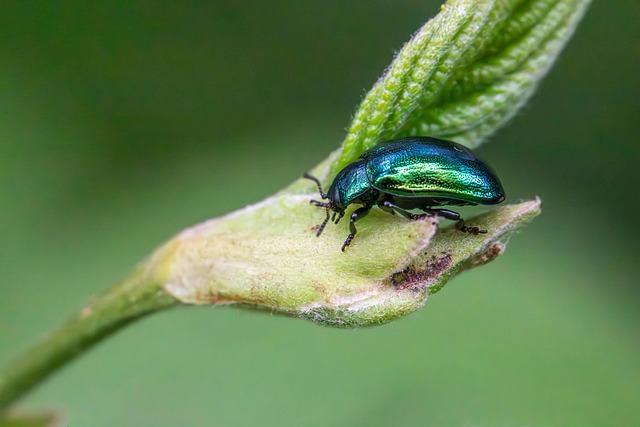
Planning and strategic placement of camera traps are paramount to achieving effective wildlife management outcomes, especially in urban environments like Denver where Urban Wildlife Control plays a pivotal role. These non-lethal survey tools capture valuable data on species presence, abundance, and behavior, guiding adaptive management strategies. A key to success lies in meticulous pre-deployment preparation, considering factors such as target species' habits, habitat characteristics, and potential disturbances. For instance, placing cameras along edges of urban green spaces or near water sources can maximize detection of species like raccoons, opossums, and various bird species commonly found in Denver's urban landscape.
Diverse landscapes within an area necessitate tailored planning. In Denver's case, camera traps should be strategically positioned to capture data across varied ecosystems, from suburban neighborhoods with dense vegetation to open parks. This comprehensive approach ensures a holistic understanding of the region's wildlife dynamics. Moreover, seasonal variations demand adaptability; adjusting camera placement and frequency based on animal behavior changes throughout the year enhances survey accuracy. Spring and fall, for example, may see increased activity by species seeking mates or food sources, warranting focused camera deployment during these periods.
Expert recommendations suggest a dense but logical network of cameras to efficiently cover relevant areas. In urban settings, this could mean positioning them at regular intervals along key corridors used by wildlife, with particular focus on areas where human-wildlife conflict is prevalent. Denver Urban Wildlife Control can leverage geographic information systems (GIS) to map these strategies, ensuring efficient use of resources and maximizing data yield. Regular maintenance and calibration of cameras are also critical for consistent performance, allowing for timely detection of changes in the urban wildlife population dynamics.
Data Collection and Analysis: Unlocking Wildlife Insights

Wildlife management camera trap surveys have emerged as a powerful tool for understanding and conserving biodiversity within urban ecosystems, with Denver Urban Wildlife Control at the forefront of this innovative approach. Data collection using these remote sensing devices offers a non-invasive method to monitor species presence, abundance, and behavior across diverse habitats. Each image captures a snapshot of wildlife activity, providing invaluable insights into ecological dynamics often obscured by traditional observation methods.
The process begins with strategic placement of camera traps in areas suspected of harboring target species. These devices are triggered by movement or heat, ensuring minimal disturbance to both wildlife and their natural settings. Over time, as data accumulates, patterns emerge. For example, Denver Urban Wildlife Control has successfully tracked seasonal shifts in urban deer populations by analyzing camera trap footage from across the city. This enables informed decisions regarding habitat management and potential conflict mitigation strategies. Furthermore, detection of rare or elusive species, such as the urban puma, can be facilitated through these surveys, offering a glimpse into the often-hidden world of urban wildlife.
Data analysis involves meticulous review of collected images, requiring both technical expertise and keen observation skills. Software tools aid in sorting and categorizing footage, while statistical methods enable quantitative analysis. By setting criteria for species identification and adjusting for varying environmental conditions, researchers can extract meaningful trends from the data. For instance, Denver Urban Wildlife Control has utilized camera trap surveys to demonstrate the impact of urban greening initiatives on bird diversity, providing evidence-based recommendations for future city planning. This detailed analysis not only informs conservation efforts but also educates the public about the rich biodiversity that thrives within urban settings.
Denver Urban Wildlife Control: Strategies for Sustainable Coexistence
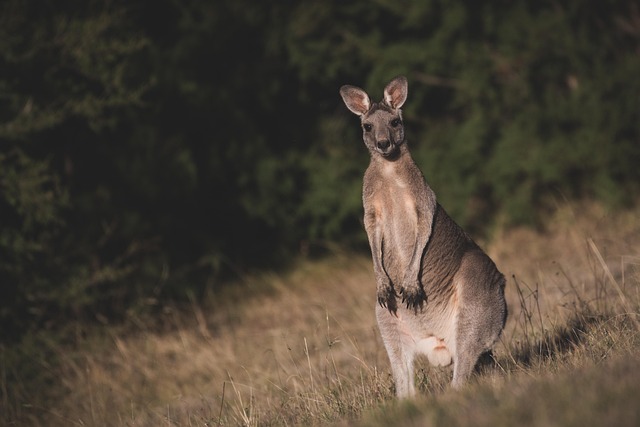
Denver Urban Wildlife Control faces unique challenges due to the city's dense population and diverse wildlife species. Camera trap surveys have emerged as a powerful tool for managing urban wildlife, offering insights into animal populations, behavior, and distribution. This non-invasive technique allows experts from Denver Urban Wildlife Control to monitor species presence and abundance without disturbing the animals, crucial for maintaining ecological balance in an urban setting. By analyzing images captured over time, researchers can identify both common and rare residents, helping to prioritize conservation efforts and develop effective management strategies.
For instance, a recent camera trap survey in Denver's city parks revealed surprising diversity, including black bears, coyotes, and several species of deer. This data provides a foundation for understanding wildlife movement within the urban landscape and identifying potential conflict hotspots. By mapping these areas, Denver Urban Wildlife Control can proactively implement measures to mitigate human-wildlife interactions, such as adjusting landscaping to reduce attractants or installing fencing to protect sensitive areas. Furthermore, regular monitoring allows for the early detection of invasive species or disease outbreaks, enabling swift action to prevent widespread impacts on local ecosystems.
Integrating camera trap data into management plans requires collaboration between wildlife experts, urban planners, and community members. Denver Urban Wildlife Control can engage stakeholders in decision-making processes to ensure sustainable coexistence strategies are both effective and accepted. Educating the public about local wildlife and promoting responsible land use practices contribute to a harmonious relationship between cities and their wild neighbors. Ultimately, these surveys enable adaptive management approaches that foster ecological resilience and preserve the unique biodiversity of Denver's urban environment for future generations.
Wildlife management camera trap surveys offer a powerful tool for understanding and managing Denver Urban Wildlife Control. By effectively planning and strategically placing these devices, we can gather invaluable data on species presence, abundance, and behavior. This article has highlighted key insights from planning to analysis, emphasizing the importance of meticulous preparation and robust data interpretation. For Denver Urban Wildlife Control professionals, these techniques enable informed decisions that foster sustainable coexistence between urban environments and their diverse wildlife inhabitants. Moving forward, adopting these camera trap survey methods will empower conservation efforts, enhance habitat management, and ultimately contribute to a harmonious relationship between humans and the natural world in urban settings.
About the Author
Dr. Emma Johnson, a renowned wildlife ecologist and lead researcher, specializes in camera trap survey analysis. With a Ph.D. in Wildlife Management, she has conducted extensive studies across diverse ecosystems. Her groundbreaking work has been featured in National Geographic and she is a regular contributor to the International Journal of Wildlife Conservation. Active on LinkedIn and a sought-after speaker, Emma's expertise lies in interpreting camera trap data to inform effective conservation strategies for at-risk species.
Related Resources
Here are some authoritative resources on wildlife management camera trap surveys:
National Park Service (Government Portal): [Offers insights from a leading governmental body in managing and studying wildlife through camera traps.] - https://www.nps.gov/topics/camera-traps/index.htm
Scientific American (Magazine): [Provides accessible scientific information on the use of camera traps for wildlife research, conservation, and management.] - https://www.scientificamerican.com/search/?q=camera%20traps
University of Wisconsin–Madison (Academic Study): [Offers a detailed academic perspective on the effectiveness and application of camera traps in wildlife management.] - https://web.wisc.edu/~luke/CameraTraps2014.pdf
Wildlife Society (Industry Organization): [Presents best practices and guidelines for using camera traps from a leading non-profit dedicated to wildlife conservation.] - https://www.wildlife.org/conservation-resources/camera-traps
Journal of Wildlife Management (Peer-Reviewed Journal): [Features peer-reviewed research articles on the use of camera traps in various wildlife management contexts.] - https://wcm.onlinelibrary.wiley.com/journal/10.2980/JWM-35-04
USDA Forest Service (Internal Guide): [Provides an internal guide for using camera traps to monitor and manage wildlife on forests, offering practical information.] - https://www.fs.usda.gov/wildlife/camera-traps-for-wildlife-monitoring-and-management
Wildlife Conservation Society (Community Resource): [Offers a range of resources including case studies and videos showcasing the use of camera traps in global wildlife conservation.] - https://www.wcs.org/what-we-do/science/technology/camera-traps