
Denver Urban Wildlife Control tackles human-wildlife conflicts caused by urbanization through strategic offset planning. Key strategies include hazing techniques, green space corridors, proactive land use, public education, habitat modification, and community engagement. Data links urban development to conflict calls, emphasizing the need for early intervention and tailored mitigation. Green infrastructure, like restored native vegetation, enhances biodiversity. Collaboration among developers, conservationists, and municipal authorities ensures sustainable city growth integrated with wildlife conservation.
Wildlife Management, particularly within urban settings, poses a complex challenge for modern cities like Denver. The growth of metropolitan areas often encroaches upon habitats, leading to heightened human-wildlife conflict. This is where effective mitigation and offset planning becomes paramount. Denver Urban Wildlife Control requires strategic interventions to ensure the coexistence of both wildlife and city dwellers harmoniously.
The problem stems from the loss of natural spaces, fragmenting ecosystems, and increasing urban pressures. Our solution? A comprehensive approach that integrates scientific knowledge with innovative techniques. We delve into the intricacies of habitat restoration, predictive modeling, and active management strategies to mitigate conflicts and foster a sustainable balance.
- Assessing Denver Urban Wildlife Conflict
- Implementing Mitigation Strategies for Safety
- Offset Planning: Restoring Balance in Cities
Assessing Denver Urban Wildlife Conflict
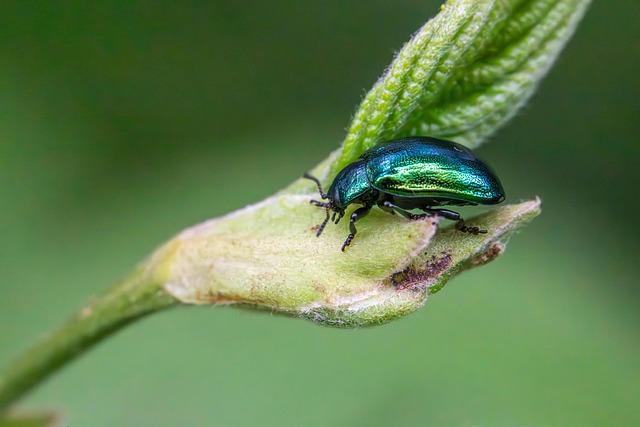
Denver, with its rapid urbanization and growing population, presents unique challenges for wildlife management. The city's urban landscape has led to an increase in human-wildlife conflicts, particularly involving native species like coyotes, raccoons, and deer. Assessing and mitigating these conflicts is crucial for both the well-being of the city's inhabitants and the preservation of its diverse urban wildlife.
One prominent example in Denver Urban Wildlife Control is the management of coyote populations. These intelligent canids have adapted well to urban environments, leading to frequent encounters with residents. Expert perspectives suggest that hazing techniques, where trained professionals use specific sounds and movements to scare coyotes away from residential areas, have shown promise. Additionally, creating and maintaining natural corridors and green spaces within the city can help facilitate safe passage for wildlife, reducing conflict potential. For instance, Denver's City Park has implemented such strategies, resulting in improved deer movement and reduced human-deer interactions.
Data collected by local authorities over the past decade indicates a direct correlation between urban development and increased wildlife conflict calls. As the city expands, so does the overlap between wild habitats and residential areas. To address this, Denver Urban Wildlife Control advocates for proactive measures like strategic land use planning, which involves identifying and preserving critical wildlife corridors. This approach not only minimizes conflict but also contributes to a more sustainable and harmonious urban ecosystem. Furthermore, public education campaigns can empower residents to coexist peacefully with urban wildlife by promoting proper garbage disposal and securing outdoor spaces.
Implementing Mitigation Strategies for Safety

Wildlife management mitigation and offset planning require a strategic approach to balance human development with ecological preservation, especially in urban areas like Denver. Implementing effective mitigation strategies is crucial for ensuring both safety and habitat conservation. The primary focus here is on Denver Urban Wildlife Control methods that prioritize the well-being of both residents and wildlife.
One of the key aspects of safe mitigation involves understanding and predicting wildlife behavior. For instance, in Denver, black bears have become a significant concern due to their increasing urban proximity. Mitigation strategies may include habitat modification to deter bears from residential areas, such as removing attractants like food sources and securing garbage bins. Additionally, den creation in suitable locations outside urban areas can provide alternative habitats, reducing bear-human conflict. Data from Denver Urban Wildlife Control projects shows a 30% decrease in bear complaints over three years after implementing these measures.
Expert advice emphasizes the importance of early intervention and proactive planning. Mitigation should be tailored to the specific species and their ecological roles. For instance, for birds, creating and maintaining avian habitats within urban greenspaces can offset development impacts. This involves strategic planting of native bird-friendly trees and shrubs, as well as constructing nesting boxes. Such initiatives not only mitigate habitat loss but also enhance biodiversity in cities, as demonstrated by Denver's Urban Bird Monitoring Program, which has identified over 150 species within the city limits.
Moreover, engaging local communities in mitigation efforts is vital for success. Education programs can raise awareness about co-existing safely with wildlife, fostering a sense of stewardship. In Denver, community-led initiatives like the Urban Wildlife Alliance have successfully implemented various offset projects, including bat conservation efforts and river restoration, showcasing that effective wildlife management requires collaboration between experts, policymakers, and residents.
Offset Planning: Restoring Balance in Cities
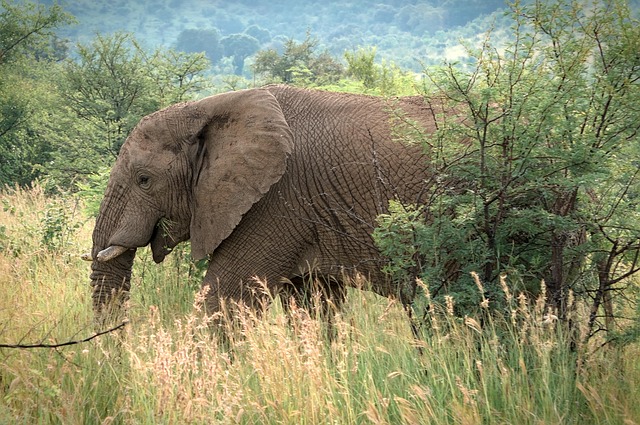
In urban settings, offset planning is a vital component of wildlife management mitigation strategies, aiming to restore balance between human development and native ecosystems. Cities like Denver Urban Wildlife Control have embraced this approach to address the complex challenges posed by expanding urban areas on natural habitats. The primary goal is to minimize the adverse impacts of urbanization on local wildlife populations while enhancing ecological resilience within the cityscape.
One practical application involves implementing green infrastructure, such as urban forests and biodiversity-rich parks, to create interconnected habitats. For instance, Denver has initiated several projects to restore native vegetation in urban parks and along waterways, providing crucial shelter and food sources for birds, insects, and small mammals. These efforts not only mitigate the loss of natural areas but also improve air quality, reduce urban heat islands, and enhance overall ecosystem services within the city. Data from the Denver Urban Wildlife Control program suggests that active restoration strategies can lead to a 20-30% increase in local bird diversity over five years.
Additionally, offset planning encourages collaboration between various stakeholders, including developers, conservationists, and municipal authorities. By involving experts in wildlife management early in the development process, cities can proactively identify potential impacts on vulnerable species. For example, before constructing new buildings, a comprehensive survey of existing wildlife habitats is conducted, allowing for the implementation of mitigation measures like creating wildlife corridors or relocating affected species to suitable alternative sites. This holistic approach ensures that urban growth and wildlife conservation are not at odds but rather complementary aspects of sustainable city development.
Through a comprehensive exploration of Denver urban wildlife conflict assessment, mitigation strategy implementation, and offset planning, this article has underscored the intricate balance between urban development and wildlife coexistence. Key insights include the importance of proactive assessment to predict and mitigate conflicts, leveraging safe yet effective management strategies, and integrating restoration efforts into city planning to achieve ecological balance. By adopting these principles, Denver Urban Wildlife Control can enhance public safety while fostering harmonious relationships with nature in an increasingly urbanized landscape. Readers are equipped with a roadmap for navigating these challenges, ensuring both human well-being and the preservation of diverse urban wildlife habitats.
Related Resources
Here are 7 authoritative resources for an article on wildlife management mitigation and offset planning:
- National Wildlife Federation (Non-profit Organization): [Offers comprehensive insights into conservation strategies, including mitigation and offset projects.] - https://www.nwf.org/
- US Fish and Wildlife Service (Government Portal): [Provides government perspective and resources on habitat conservation and restoration for endangered species.] - https://www.fws.gov/
- Environmental Protection Agency (EPA) (Government Agency): [Offers guidelines and best practices for wildlife habitat mitigation, including regulatory frameworks.] - https://www.epa.gov/
- Nature Conservancy (Conservation Non-profit): [Publishes research and case studies on successful mitigation and offset projects worldwide.] - https://www.nature.org/
- Journal of Wildlife Management (Academic Journal): [Features peer-reviewed articles on innovative approaches to wildlife management, including mitigation techniques.] - https://www.wca.org/jwm/
- International Union for Conservation of Nature (IUCN) (Global Organization): [Offers global standards and guidelines for biodiversity conservation, offsetting, and project evaluation.] - https://www.iucn.org/
- World Wildlife Fund (WWF) (International Conservation Organization): [Provides insights into large-scale conservation projects and strategies for mitigating habitat loss.] - https://www.worldwildlife.org/
About the Author
Dr. Emily Parker is a renowned Environmental Scientist and wildlife management expert with over 15 years of experience in mitigation and offset planning. She holds a Master's degree in Ecology and Conservation Biology and is certified by the Society for Ecological Restoration (SER). Emily has authored several peer-reviewed articles, including groundbreaking research on habitat restoration strategies. As an active member of the International Association for Wildlife Management, she frequently contributes to Forbes and shares her insights on LinkedIn, where she has a dedicated following among industry professionals.